
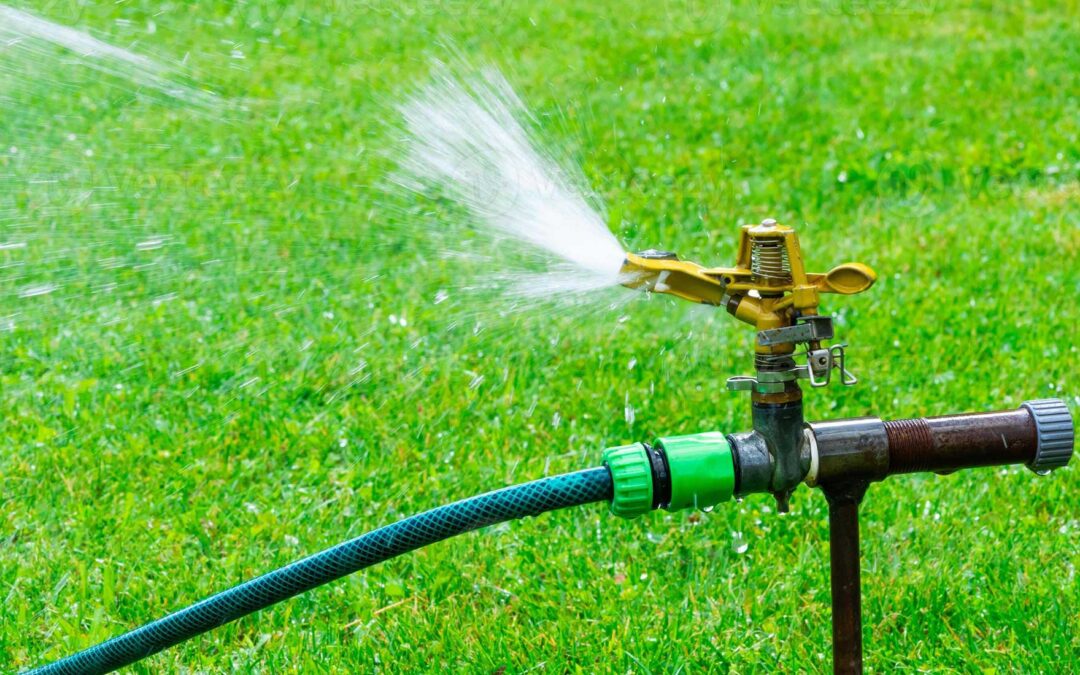
Keeping a yard with natural grass looking great not only requires regular lawn care and maintenance, but it also requires a lot of water. That means more strain on both the environment, and your wallet.
However, one of the leading benefits of synthetic turf is that it helps conserve substantial amounts of water. When you install artificial grass in your yard, it helps you maintain beautiful landscaping without wasting water or money. In this guide we’re going to cover the water- and cost-saving advantages of artificial turf, detailing all the ways it’s better than traditional grass.
Key Points About Saving Water & Money with Artificial Turf
- Artificial turf does not need to be watered like traditional grass, meaning you can save on yearly water usage and costs, eliminate seasonal water usage spikes, and reduce wasted irrigation and runoff.
- Synthetic grass typically reduces a homeowner’s water bills and usage by approximately 70% each year, significantly reducing the impact on costs and the environment.
- Artificial turf allows you to keep your yard looking lush and green regardless of weather conditions like drought, meaning you don’t have to spend a fortune on watering, or watch your yard get patchy and brown when watering limitations or bans are in place.
- Reducing water usage isn’t the only financial benefit of artificial turf, it also lets you save with government incentives and rebates while lowering overall maintenance costs.
How Artificial Turf Saves Water
First, let’s take a look at some of the ways that artificial turf can help you save water and lower your water bills.
1. Watering: Not Required
The most obvious benefit of artificial turf is that it doesn’t need water to stay looking its best. Unlike natural grass, which requires approximately 62 gallons of water per square foot, synthetic turf only needs occasional rinsing to remove dust or debris.
2. Eliminates Seasonal Spikes in Water Usage
During hot summer months or times of drought, lawn irrigation needs increase dramatically. Sprinklers run daily, and evaporation rates soar under the heat, meaning much of that water never reaches the roots. The result? Increased water usage, higher water bills, and yards that struggle to stay green and lush.
3. Reduces Wasted Irrigation & Runoff
Natural lawns don’t just consume water, they also contribute to water waste and environmental contamination. Natural grass yards with uneven grading, compacted soil, and poor irrigation systems lead to increased runoff, where excess water carries fertilizers, pesticides, and other chemicals into storm drains and local waterways.
Learn how easy it is to maintain synthetic grass: Artificial Grass Maintenance Guide.
Comparing Water Usage: Natural Grass vs. Artificial Turf
If you’re skeptical about the water-savings that artificial turf has to offer, let’s take a closer look at average water use statistics in the United States to provide research-backed evidence.
According to the EPA, outdoor water use accounts for more than 30% of total household water usage on average, but can rise all the way up to 60% of a total household’s water usage — particularly in arid climates.
Natural Grass: Water Usage Per Year
In suburban areas, the average lawn size is about 10,000 square feet, and lawns typically require 1 inch of water per week during dry weather, which equates to 0.623 gallons per square foot.
So, for every 10 x 10 foot area, you’ll use about 62 gallons of water. Meaning that a 10,000 square foot lawn will need approximately 6,230 gallons for one full watering. Per year, that equates to 299,040 gallons per year, or $1,495.20 (assuming $5 per 1,000 gallons).
Additionally, 50% of the water used outdoors is lost due to wind, evaporation, and runoff resulting from inefficient irrigation methods and systems. Households with an automatic landscape irrigation system that isn’t properly installed and maintained can waste up to an additional 25,000 gallons of water annually.
Artificial Grass: Water Usage Per Year
Synthetic turf does not need to be watered the way that natural grass does, but does still require some water for rinsing away dirt and debris. However, homeowners with artificial turf can enjoy substantial water- and cost-savings.
For example, The Synthetic Turf Council calculated that a 10,000 square foot yard with synthetic grass only requires 89,712 gallons of water per year, or $428.56, which is 70% less than homes with natural grass.
When professionally installed, artificial turf provides enhanced irrigation that prevents pooling water and poor drainage, resulting in increased water efficiency and environmental safety.
Whether you’re looking to update your landscaping, add a putting green, or install pet turf, Modern Grounds will help you turn your water-wasting natural grass into a low-maintenance, beautiful, and environmentally-friendly haven.
Artificial Turf: Water Conservation in Drought Conditions
Synthetic turf can offer even more substantial benefits in drought-stricken seasons and locations. This is often most notable in the western United States, particularly in areas like California where water shortages are prevalent, and watering may be limited or banned during certain times of the year.
However, drought conditions can occur in all regions, even in tropical locations like Florida. For example, some counties in Florida experience drought 12 to 15 weeks per year on average. In fact, in 2025, 94% of Florida was experiencing abnormal drought conditions in April.
Weather fluctuations affect every region, but with synthetic turf you can avoid skyrocketing water bills during times of drought. Homeowners with artificial grass experience more consistent water usage, allowing them to maintain their budget, and their yard, regardless of climate fluctuations.
Additional Financial Benefits of Synthetic Turf
Artificial turf offers additional cost-saving benefits compared to natural grass. Let’s take a closer look at how you can save thousands of dollars a year with synthetic grass.
1. Lower Water Bills
As we mentioned earlier in the article, artificial grass can contribute to 30-60% of a household’s total water usage. By removing this expense, artificial turf can often pay for itself over just a few years. In drought-prone locations where water rates are rising rapidly, the savings can be substantial.
2. Eliminates Chemicals
Synthetic grass installations require no chemicals or pesticides, and are 100% non-toxic and safe for your family and pets. Rather than having to pay for fertilizers, pesticides, herbicides, and other chemicals needed for upkeep (ranging from $350-$900 per year), you can remove those extra costs completely.
3. Reduced Maintenance Costs
Lawn maintenance in Florida is incredibly expensive. In fact, for a medium-size yard, homeowners can expect to pay anywhere between $1,500-$3,000 per year for full-service lawn care. Artificial grass yards significantly reduce, or completely eliminate, the need for lawn care services, allowing you to spend less on your yard, and spend more time enjoying it.
Need help sorting through the financial details of artificial turf installation? Don’t worry. Modern Grounds offers financing to help you make your dream yard a reality.
Artificial Turf: Beautiful Yards Without the Water Waste
Artificial turf offers a reliable, beautiful, and affordable alternative to natural grass. For homeowners looking to lower their yearly expenses, reduce their environmental impact, and maintain a lush, green yard — artificial turf delivers on all fronts.
When chosen responsibly and installed professionally, synthetic grass is a water-wise investment that supports sustainability and economic resilience. Contact Modern Grounds today, and see all the safe, green, and water-conserving benefits that artificial turf can offer.