
Artificial turf grass looks great year-round regardless of the weather, which is one of its leading benefits. But, what about drainage? How does synthetic grass measure up compared to natural grass?
In this article, we’re going to explain how artificial turf grass drainage works, the benefits of synthetic grass, and what can cause turf grass drainage problems.
Even better, we’ll reveal why professional turf installation with Modern Grounds is the best way to ensure proper synthetic grass drainage and long-term durability.
Key Points About Synthetic Grass Drainage
- Artificial turf offers improved drainage because of perforated backings and porous infill materials, designed to let water flow through rapidly.
- Synthetic grass offers numerous benefits including better drainage, improved safety, and reduced maintenance compared to natural grass.
- Drainage problems with artificial turf typically stem from poor installation techniques like choosing the wrong base layer materials, improper grading, and opting for non-permeable infill that results in clogs, pooling, mold, and turf degradation.
- When you choose professional turf installation with Modern Grounds, you’re choosing artificial grass experts, backed by a CSTI (Certified Synthetic Turf Installer), who know exactly how to keep turf looking great long term.
How Does Drainage Work in Artificial Grass?
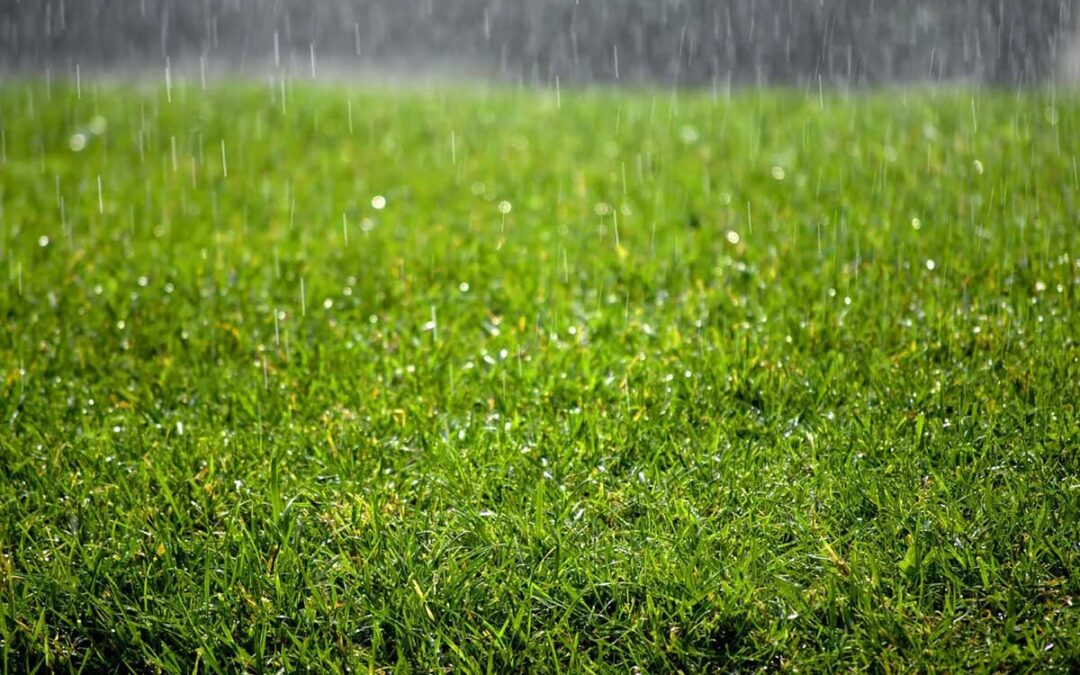
Artificial turf is designed to handle rain and precipitation exceptionally well. Turf grass is typically designed with perforated backings and porous base and infill materials, which allow water to drain rapidly.
In fact, synthetic turf can drain at rates exceeding 30 inches per hour per square yard, which is much faster than natural grass. This improved drainage helps prevent mud, pooling, and waterlogging, ensuring artificial lawns are dry and usable after rainfall.
Drainage Benefits of Synthetic Turf
- Enhanced Drainage: Perforations in the artificial turf backing allow water to pass through adequately, often at a faster rate than natural grass can absorb it, preventing pooling water.
- Cleaner Surface: Because synthetic grass doesn’t rely on soil, the surface remains clean and dry, avoiding the mud and messes that accompany natural grass.
- Fast Drying: Artificial grass fibers are non-absorbent and dry quickly (1–3 hours for light rain or up to 24 hours for heavy rain), compared to natural grass (3–5 hours for light rain or up to 2 days for heavy rain).
- Improved Safety: Unlike natural grass which can become slippery when wet, synthetic grass retains its traction when wet, making it safer for kids, pets, and the whole family.
- Reduced Maintenance: Rain can cause natural grass to grow quickly, requiring increased landscaping costs, whereas rain can help keep artificial grass rinsed clean and may only require a quick brushing to remove debris left behind.
What Causes Drainage Problems with Artificial Turf?
You might assume that installing artificial turf is easy and straightforward, but there are actually a lot of factors that contribute to its drainage capability and longevity.
Some practices that cause drainage problems in synthetic grass include:
- Improper Base Materials: Using dirt, clay, or fine sand instead of crushed rock or gravel restricts water from passing through to the soil.
- Poor Grading: If turf grass is installed without the proper slope, water can collect in low spots rather than draining away.
- Over-Compaction: Compacting the base materials too much can cause it to become impermeable, preventing water from flowing through as intended.
- Insufficient Turf Backing: Cheap synthetic grass may have fewer drainage holes, which is more likely to get blocked by debris and silt, leading to pooling water.
- Incorrect Infill: Using too much infill, or improper infill materials, can clog drainage holes in artificial turf backing.
- Non-Permeable Foundation: Installing synthetic grass over existing asphalt, concrete, or deck materials without adding proper drainage channels forces water to stay on the surface.
- Inadequate Site Evaluation: Sites with high water tables or clay soil are more likely to face drainage issues, and artificial turf in these locations requires a deep, well-draining base during installation.
How Professional Turf Installation Ensures Proper Drainage
While you can absolutely choose budget turf, cheap installation companies, or DIY options, the fact is that if you want your turf to last, especially through heavy rains, professional installation is the only real option.
Why You Should Start With High-Quality Artificial Turf
High-quality turf isn’t the same as the budget rolls you might find online.
Professional-grade turf is engineered with advanced backings, improved drainage, UV protection, proper infill compatibility, and realistic blade structure. It resists fading, matting, and deterioration from harsh sun and heavy rains.
Advantages of Professional Turf Installation
One of the fastest ways to ruin high-quality artificial turf is with poor installation. When you hire experts to install your synthetic grass, you gain tremendous benefits.
Advantages of professional artificial grass installation include:
Improved Groundwork
Professional synthetic grass installation includes:
- Excavation & grading to ensure proper drainage.
- Base installation using crushed stone, compacted in multiple layers.
- Weed barriers to stop growth from underneath.
- Precision edging to lock the system in place.
This groundwork prevents uneven surfaces, puddling, odors, lifting edges, and shifting — all common problems with cheap installations.
Skilled Labor & Craftsmanship
Licensed artificial turf installation crews are trained in:
- Cutting and seaming turf so the lines disappear.
- Stretching material properly to prevent wrinkles.
- Applying adhesives and seam tape for structural strength.
- Ensuring infill installation to proper levels to help turf look great and stand the test of time.
This level of craftsmanship takes experience, training, and teamwork. Cheap crews often skip steps, leading to pooling water, inconsistent drainage, splitting, edges lifting, and turf that looks fake.
Premium Equipment
A professional turf company invests in more than just turf, they also invest in specialized tools and machinery designed to perfect the turf installation.
Artificial turf experts often use:
- Power brooms
- Turf pullers
- Turf cutters
- Infill spreaders
- Carpet kickers
- Turf grippers
- Seaming tools
Insurance, Warranties & Financing
Professional turf installation companies offer:
- Licensed & Insured Teams: Guarantee that both your property and your turf is protected.
- Warranties: Protect the turf and installation, ensuring that your turf will last.
- Financing Options: Help to bring your turf dreams to life.
This professional approach ensures you’re not liable for anything that goes wrong, offering long-term support and help when you need it.
Learn More: Why High-Quality Artificial Turf is Worth the Investment
Expert Synthetic Grass Installation With Modern Grounds
Before installing artificial turf, make sure to select professional-grade turf and installation to guarantee that your synthetic yard can stand the test of time — and can even increase your home value.
Trust Modern Grounds for synthetic grass that is environmentally-friendly, realistic in appearance, incredibly low maintenance, and expertly installed to stay looking great despite sun, rain, and regular usage.